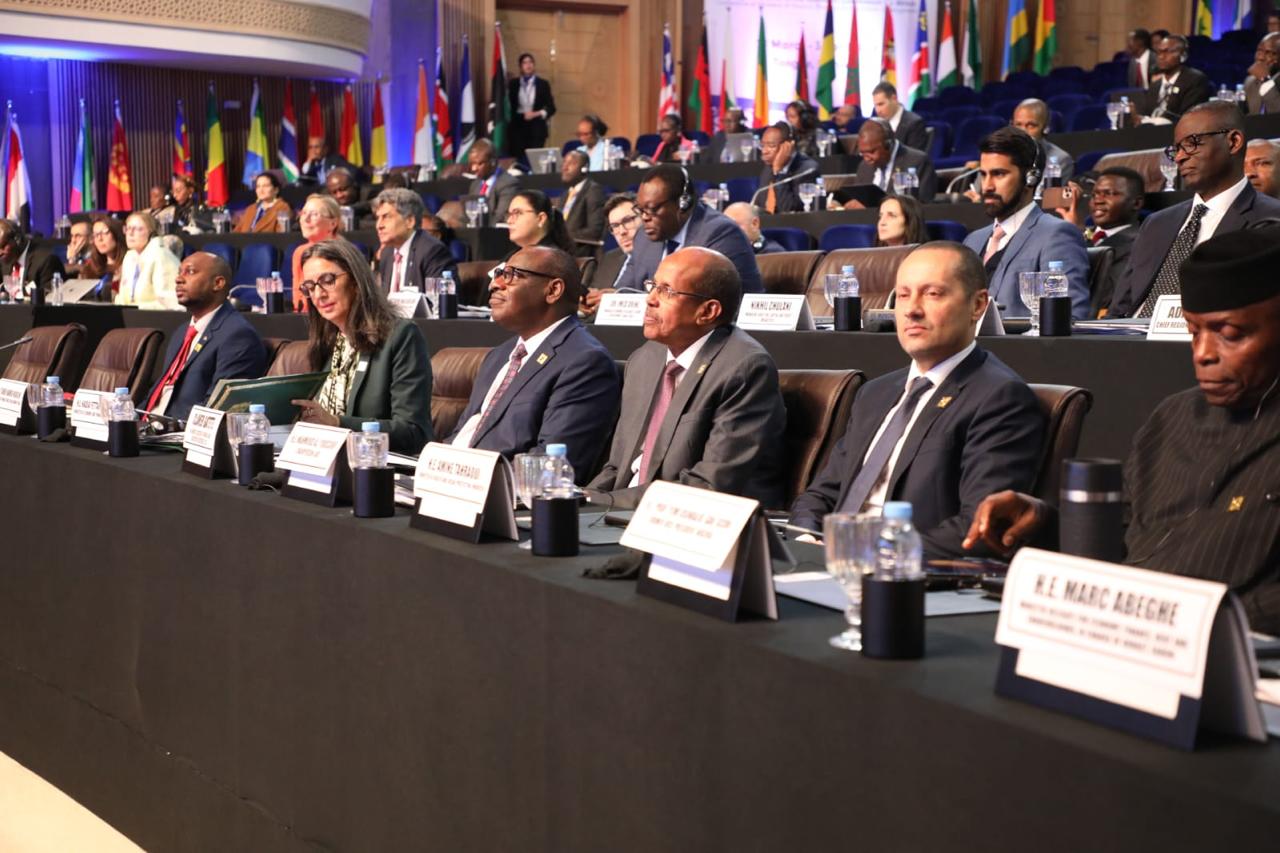
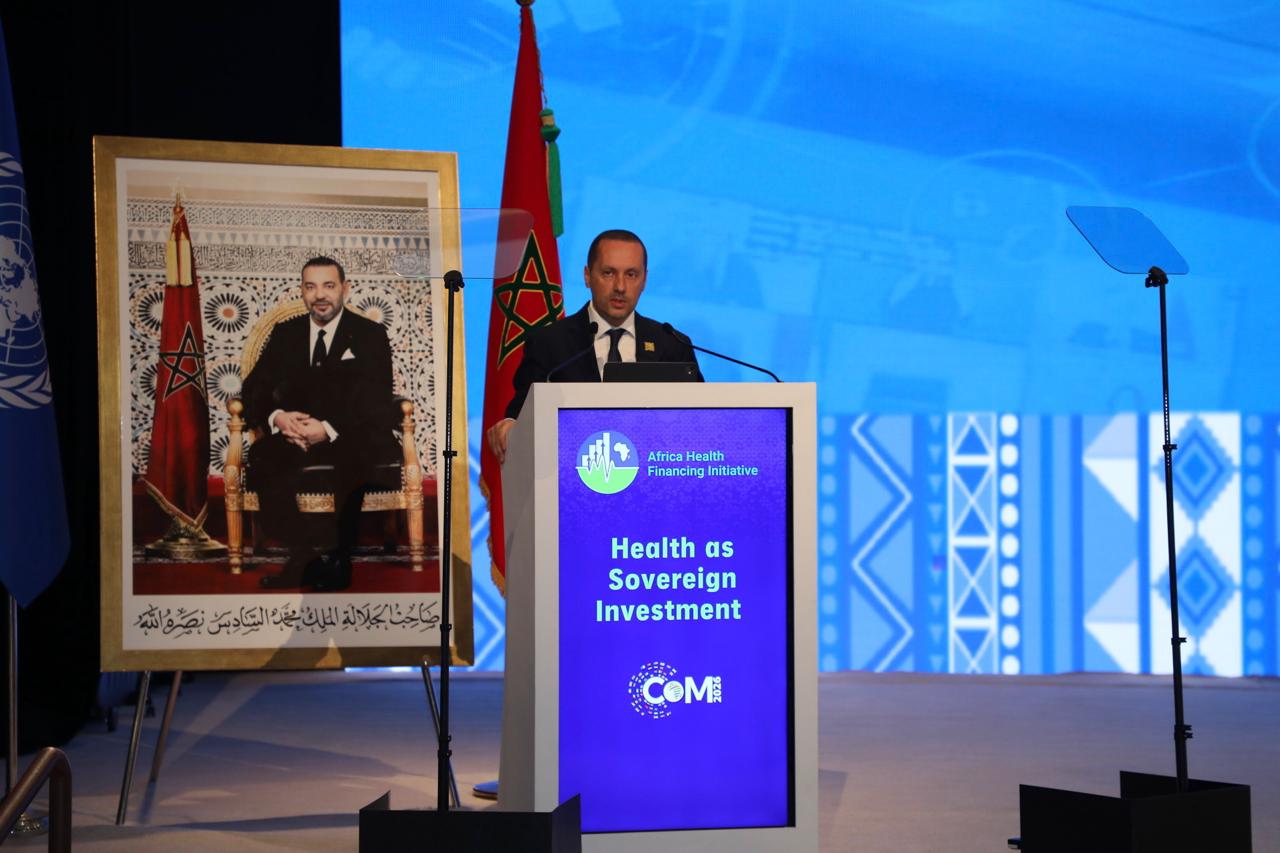
Madam Nadia FETTAH, Minister of Economy and Finance, participated, on April 1, 2026, in the Forum on Sustainable Health Financing in Africa, under the theme: “Health as a sovereign investment: a macroeconomic imperative,” held on the sidelines of the Conference of African Ministers of Finance, Planning and Economic Development of the United Nations Economic Commission for Africa (COM58), which is taking place from March 28 to April 3, 2026, in Tangier.
This Forum aims to promote an integrated approach to health financing in Africa by mobilizing Ministries of Finance and Health, as well as development partners, around budgetary reforms and innovative financing mechanisms aimed at strengthening the resilience of health systems.
During her address at the opening ceremony, the Minister notably emphasized the need to rethink health not as a social expenditure but as a strategic investment essential to economic stability, productivity, and the resilience of States.
She also reviewed the reform of the health sector carried out by Morocco, particularly with regard to the generalization of Mandatory Health Insurance, the increase in the health budget, the strengthening of human resources, the modernization of infrastructure, and digital transformation.
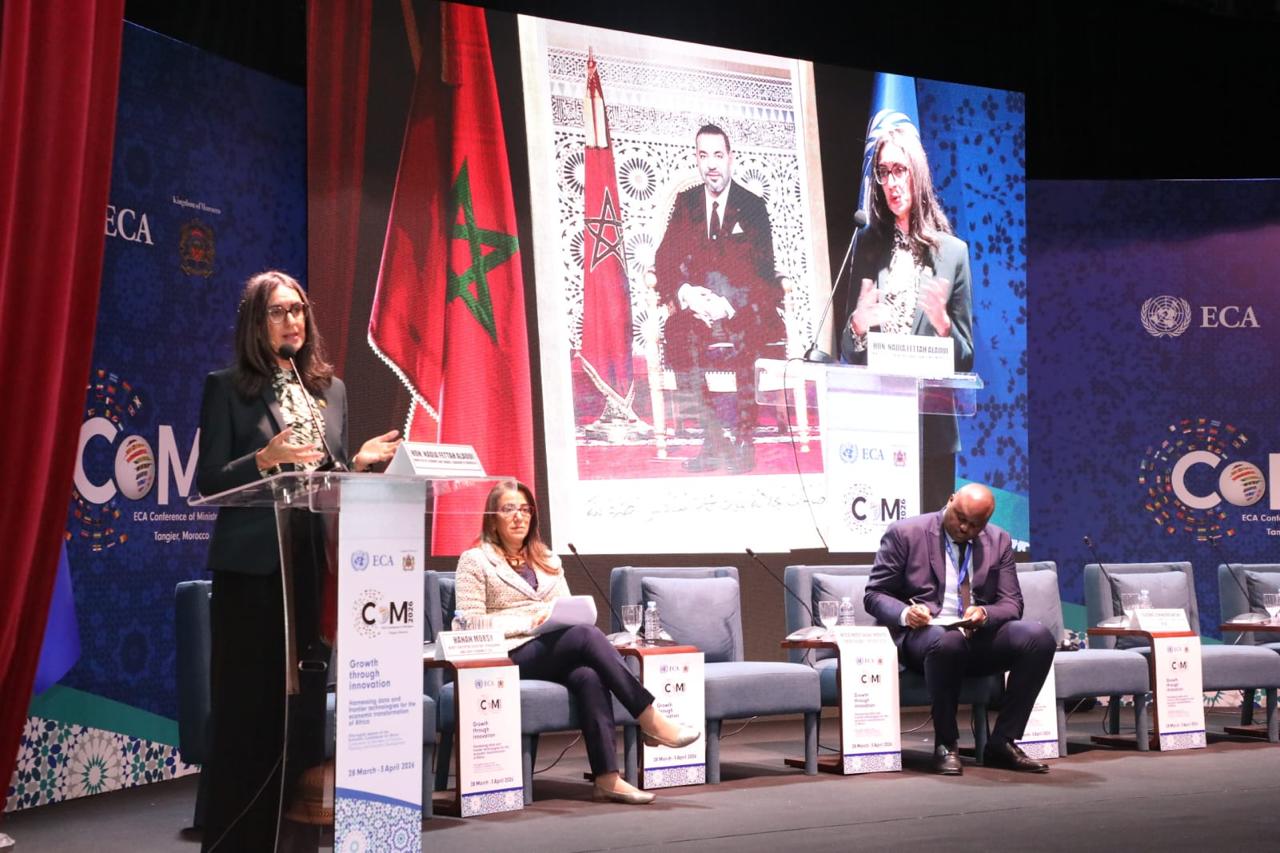
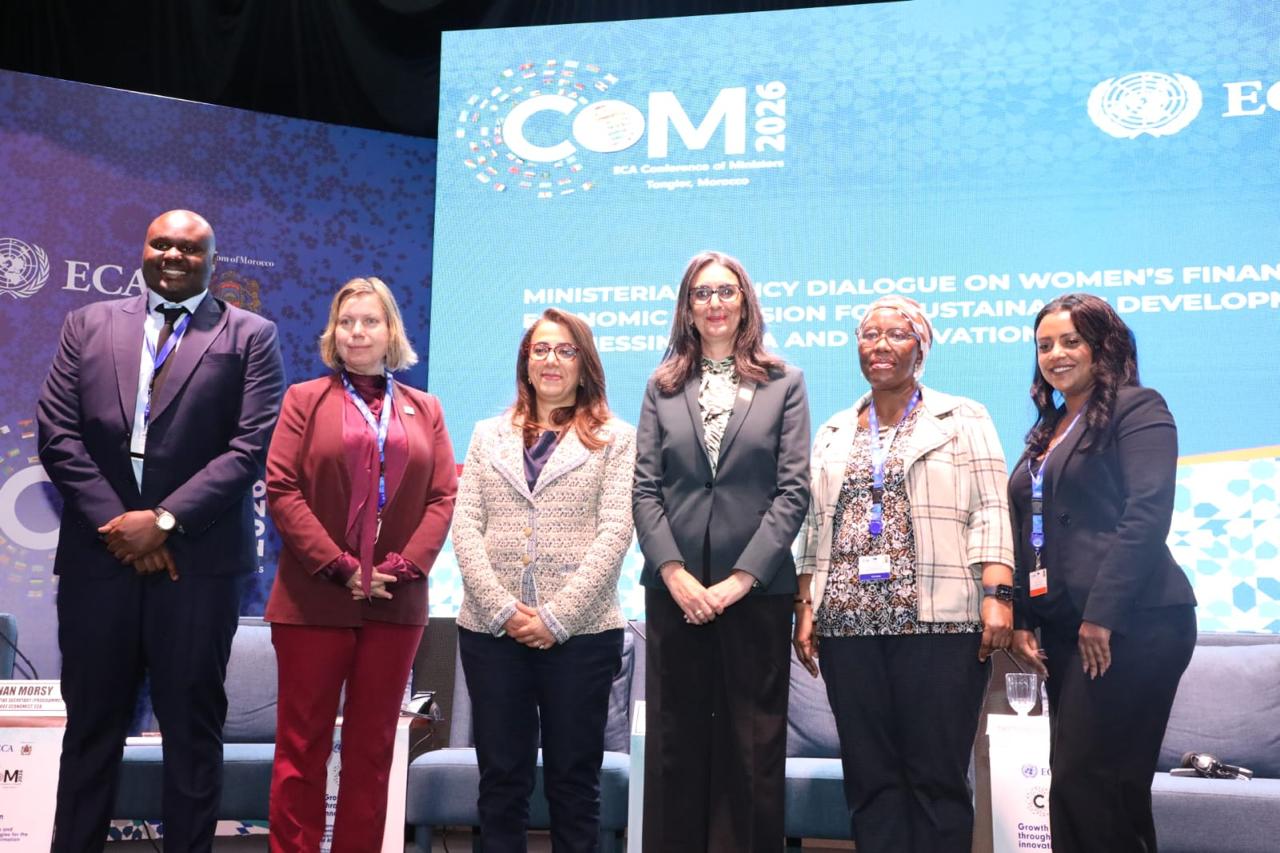
During the day of Wednesday, April 1, the Minister also took part in the “Ministerial Dialogue on the African Women’s Decade for Financial and Economic Inclusion,” organized by the ECA in partnership with the African Center for Economic Transformation (ACET).
This event aims to promote the financial and economic inclusion of women as a macroeconomic and budgetary priority, relying on data and the AGDI (African Gender and Development Index) and AWII (African Women’s Inclusion/Vulnerability Index) to guide public policies and strengthen women’s participation in the economic transformation of the continent.
During her intervention, the Minister indicated that women’s economic inclusion constitutes a strategic lever for growth and resilience, while calling for accelerating efforts to achieve the 2030 objectives. She also highlighted the decisive role of gender-sensitive data in guiding more effective and equitable public policies, as well as the potential of technology and innovation to remove barriers to women’s economic participation.
Sharing Morocco’s experience, the Minister finally recalled the progress made in gender-responsive budgeting and in the Kingdom of Morocco’s digital strategy, notably “Morocco Digital 2030.”