The Ministry of Economy and Finance, in partnership with the French Development Agency, organized a study day on Thursday, June 12, 2025, in Rabat, dedicated to the launch of the Code of Good Governance Practices for Public Establishments and Enterprises (EEP).
This event aimed to present the content and scope of the new Code, approved by Decree No. 2.24.249 dated April 24, 2025, and to raise awareness among all stakeholders about the challenges of improved corporate governance. This Code, which replaces the 2012 version, is aligned with constitutional principles, the recommendations of the New Development Model, the provisions of the Framework Law No. 50-21 on EEP reform, and international best practices in the field, particularly the 2024 OECD Guidelines on the Governance of Public Enterprises.

In his opening address, Mr. Fouzi LEKJAA, Minister Delegate in charge of the Budget, emphasized the importance of this new Code for the modernization of the public portfolio, the enhancement of its performance, and the improvement of its governance.

The event brought together senior government officials, representatives of international partners, and more than 40 leaders of EEPs. Among the attendees were renowned governance institutions, including the National Agency for the Strategic Management of State Holdings and Monitoring of EEPs’ Performance, the Court of Auditors, the Moroccan Capital Market Authority, UN Women, the Moroccan Institute of Directors, the Women Board Members Club, and several corporate governance experts.
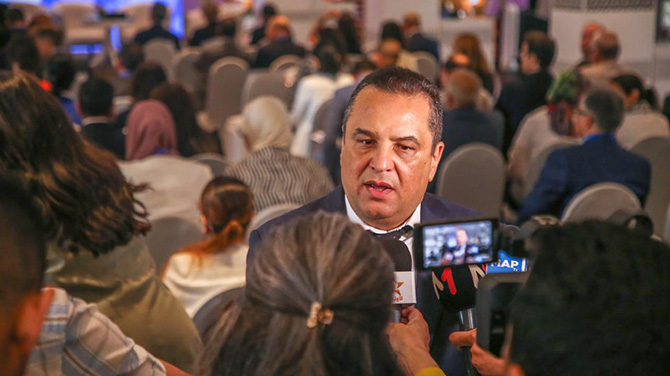
The discussions and workshops highlighted several key areas, including:
- The professionalization of governance and management bodies of EEPs (integration of independent board members, board member training, strengthening women’s representation, evaluation of deliberative bodies, etc.) to enhance expertise and accountability in governance structures;
- The strengthening of ESG (Environmental, Social, and Governance) reporting, through the adoption of non-financial disclosure standards aligned with international benchmarks;
- The establishment of responsible governance practices aimed at ensuring the sustainable performance of EEPs by reconciling economic efficiency, social responsibility, and environmental protection.
Participants also emphasized that this new Code serves as a key lever for clarifying public service obligations and as a tool for better managing the public sector with a focus on performance and efficiency.